The “Day Before” Gap: Why Intelligence Failed to Stop a Targeted Attack
Key Takeaways:
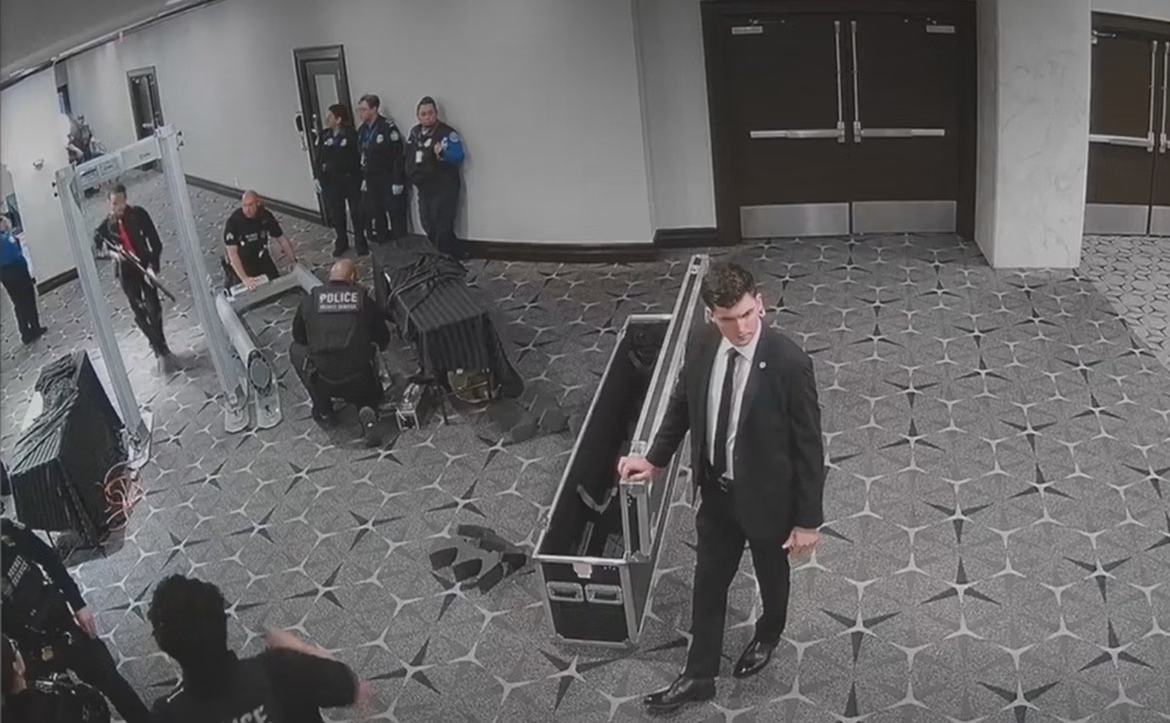
The footage from the WHCA dinner incident is unsettling for a simple reason:
The suspect didn’t just appear out of nowhere.
He was there the day before - engaged in hostile reconnaissance, probing access points, checking doors, and moving through areas where he didn’t belong.
He behaved suspiciously directly in front of the lens, yet no one noticed.
The cameras caught him.The intelligence didn’t.
The “Dead Video” Problem
Most surveillance systems today are designed to detect objects.They can tell you there is a “person” in a hallway or “motion” near an exit. But in a busy hotel, that isn’t an alert - it’s background noise.This is the core problem.
To stop a targeted attack, analysts don’t need more footage. They need systems that understand context.Because the difference between a guest and a threat isn’t what they are - it’s what they’re doing over time.Without that layer of understanding, video remains passive. Recorded, stored, and ultimately underutilized.
The Flexibility Gap: Connecting Dots Across Time
Modern security systems struggle with one thing more than anything else: Flexibility.Connecting events across time requires a system that can adapt and remember, rather than just react.In this case, the pattern is clear in hindsight.
The reconnaissance phase:The suspect performs hostile reconnaissance, walking back and forth through restricted corridors and probing access points he shouldn’t.
The attack phase:He returns the next day, now acting on the information he gathered.These are not two separate events. They are part of the same sequence.Yet in most systems, they are treated exactly that way - disconnected moments with no shared context.By the time someone manually reviews earlier footage, the situation has already escalated.
The Alert Gap: From Discovery to Prevention
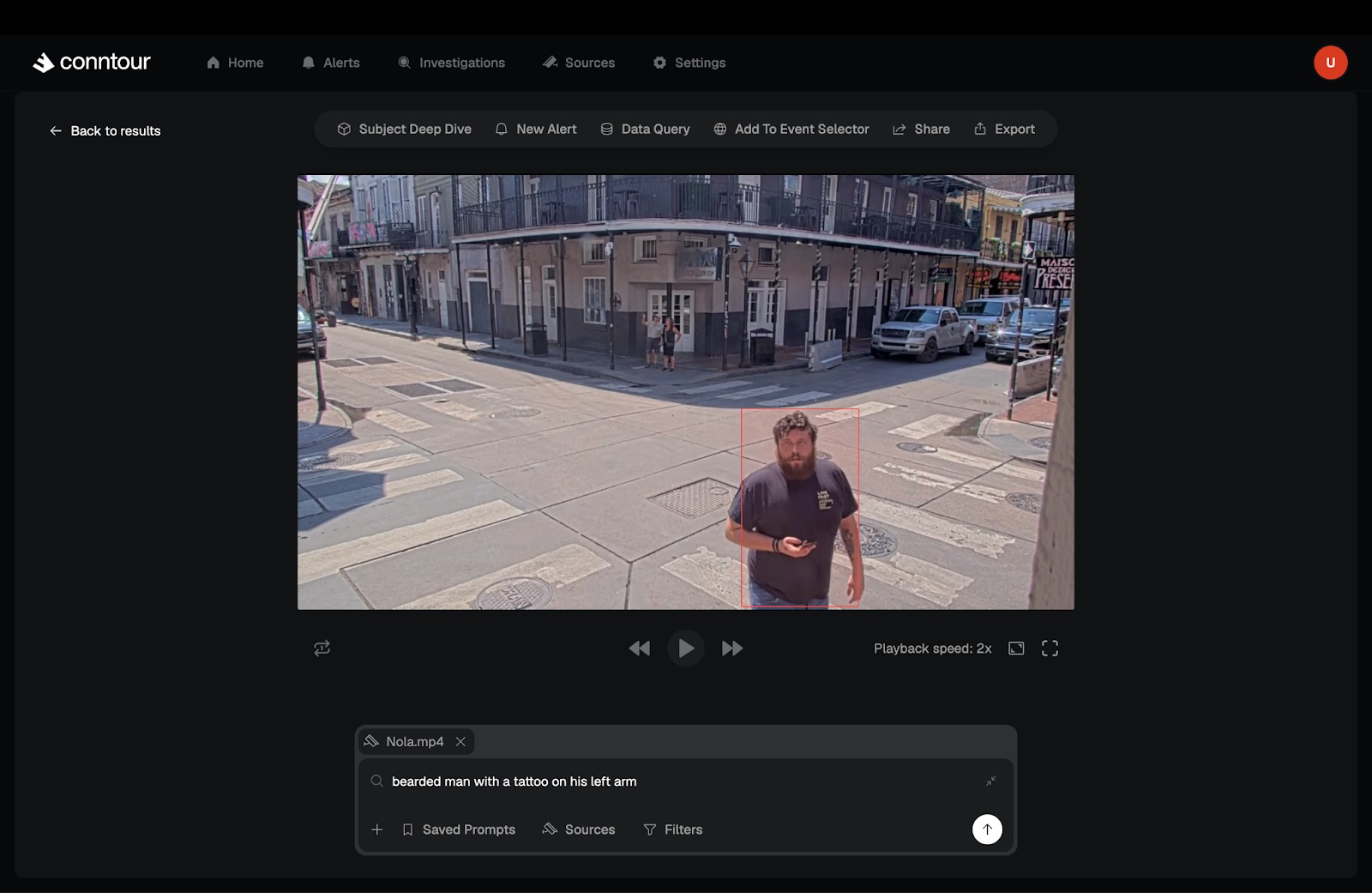
This is where the system should have intervened.Not during the attack - but the day before.A flexible, behavior-based alert could have flagged the activity in real time. For example:A person repeatedly probing restricted access points within a short time frame.
This isn’t about identifying a weapon or a predefined threat.It’s about recognizing patterns that don’t fit.That single alert could have changed the timeline - from reacting after the fact to intervening before escalation.
Luck Is Not a Strategy
In this case, the situation was ultimately contained.But outcomes like that are not guaranteed - and they shouldn’t be relied on.Every day, similar patterns unfold: individuals conduct reconnaissance in plain sight, captured on camera but never flagged, because the system lacks the flexibility to interpret behavior in context.
The Real Bottleneck in 2026
The challenge is no longer collecting video.We already have more footage than any team can realistically process.The bottleneck is turning that footage into something usable - something that can be searched, understood, and acted on in real time.
In incidents like the WHCA dinner case, the footage exists. The signals are there.The question is whether the system has the flexibility to connect them - fast enough to matter.Because if it can’t surface suspicious patterns across time, it isn’t preventing threats.
You’re not preventing threats. You’re documenting them.

.png)
%20(1).png)

.jpg)
Stay Updated
Get the latest insights on AI surveillance and
security intelligence.